Designing a Pet-Friendly Terrace: Durable Materials and Safe Plant Choices

A terrace shared with a dog or a cat takes a different kind of planning. Claws rake across cushions, wet paws track grit toward the door, and a curious nose will investigate every pot on the balcony. None of that means giving up on a space you actually enjoy. It means picking materials that still look good after a season of real use, plants that won't send you to the vet, and surfaces you can wipe down before dinner. Here's how to put it together.
Start Underfoot: Floors, Railings, and Edges
Paws and smooth glazed tile are a bad combination, especially after rain. Look for a surface with a little tooth to it: textured porcelain, honed or bush-hammered stone, or concrete pavers with a slightly grainy finish. That texture also hides the fine scratches that claws leave behind on polished surfaces.
Wood and composite decking both work, with caveats. Composite is low-maintenance but can show pale scratch marks where a dog scrabbles to get up, and it gets hot in direct summer sun. Natural wood feels cooler and can be sanded back, but softwoods dent and split. Whatever you lay down, plan a washable polypropylene rug or two near the main traffic path. They catch grit and hair, and they go straight into the hose.
Then check the perimeter. Balcony railings with wide gaps are an obvious risk for small pets and cats, and mesh netting fixed with zip ties solves it cheaply. If you have a gate, make sure it latches firmly and that a clever dog can't nudge it open with a nose.
Furniture That Ignores Claws
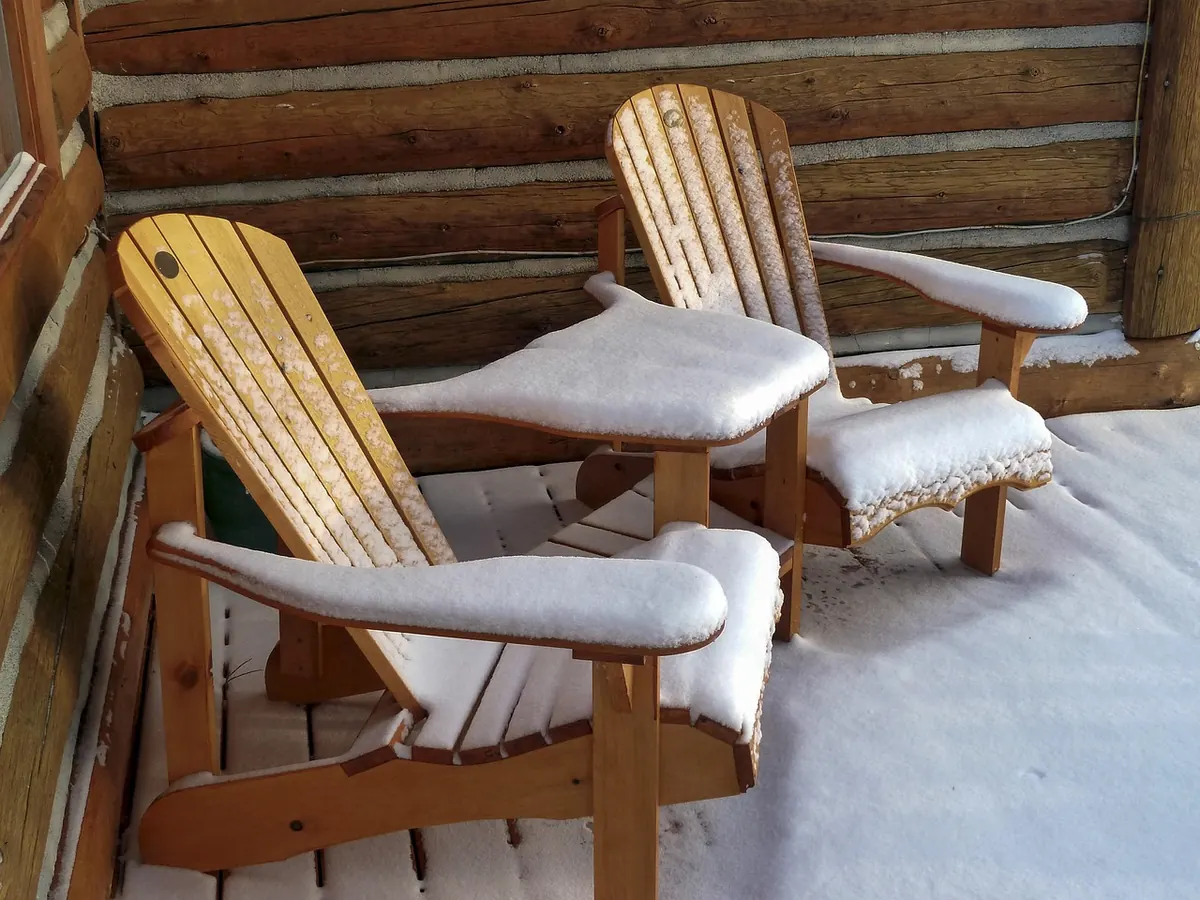
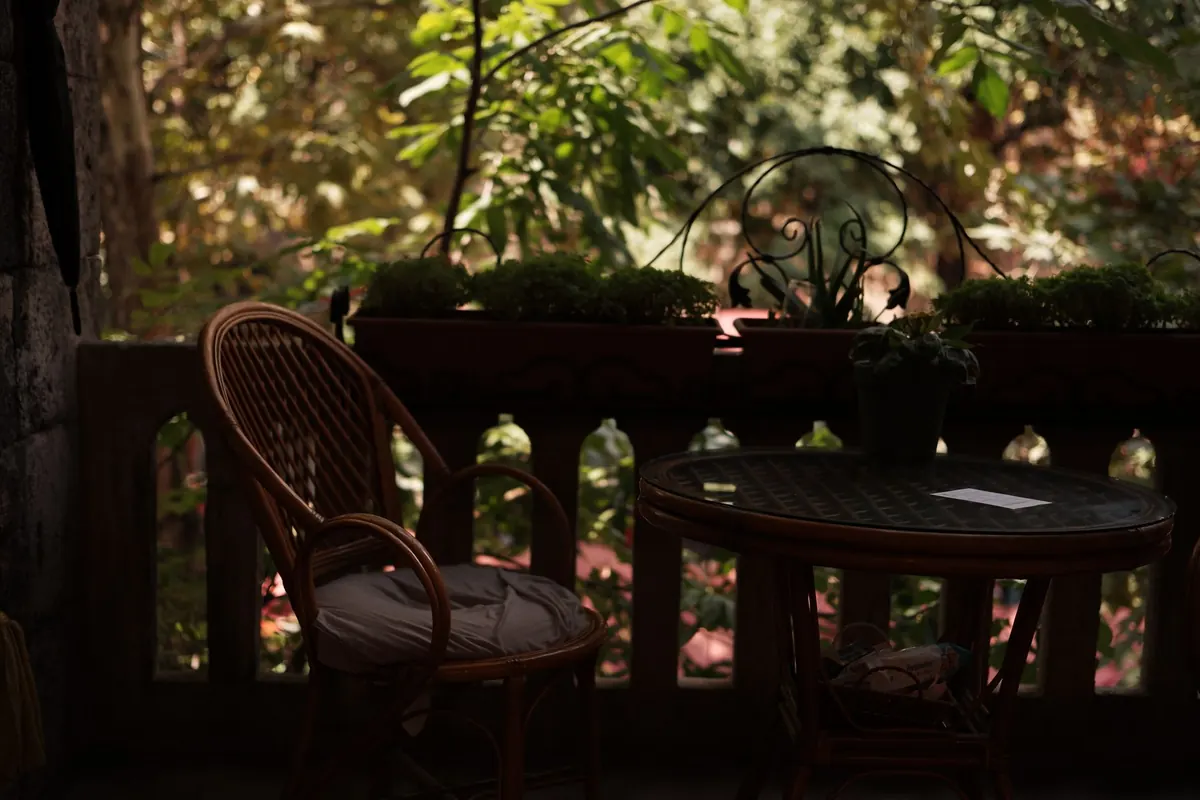
Frame material matters more than the shape of the piece. Powder-coated aluminum, matte-finish steel, and HDPE lumber all shrug off scratches and hose down easily. Teak and acacia are good choices if you accept that a hard-oil finish will need refreshing once or twice a year. Avoid thin veneers, which chip, and loosely woven rattan or wicker, where claws snag and determined chewers can pull strands free.
For tabletops, stone, ceramic, concrete, and powder-coated metal are the safe bets. If you want glass, make sure it's tempered and sits on a heavy base, and keep it clear of the jumping-off point your cat has already chosen.
Two practical details are easy to overlook. First, weight: a wide, low base won't tip when a forty-pound dog launches onto it. Second, a decoy. An old chair or a cheap lounger that clearly belongs to the pet often ends the argument about the good sofa. Set it in the shade, add a washable blanket, and most animals will claim it happily.
Fabrics, Cushions, and the Hair Problem
Fabric choice decides whether your seating looks tidy or permanently furry. Tight, plain weaves in solution-dyed acrylic or olefin hold up best: they resist fading, clean with soap and water, and don't snag. Steer clear of chenille, velvet, tweed, and loose knits, which catch claws and pill within weeks.
Colour is a practical decision too. Mid-tones and subtle patterns hide hair and dust; pale cushions advertise every muddy paw print, and very dark ones show lint. Look for these features:
- Removable, zippered covers you can machine wash or hose down.
- Quick-dry, open-cell foam rather than standard foam, which traps water and mildews.
- Velcro or ties to keep cushions from becoming toys or flying off in wind.
- A waterproof deck box for storage when rain is coming.
Plants: Choose Safe First, Then Tough
Two filters apply to every plant on a pet terrace: it has to be safe if chewed, and it has to survive being brushed past, dug at, and occasionally knocked over. Reliable, non-toxic options include cat grass, catnip, lavender, rosemary, thyme, Boston fern, spider plant, marigold, snapdragon, nasturtium, calendula, basil, and parsley. Mint works too, but keep it in its own pot, because it spreads.
On the other side of the list, several common ornamentals are genuinely dangerous: lilies, oleander, azalea and rhododendron, sago palm, foxglove, autumn crocus, kalanchoe, lantana, castor bean, and yew. Tomato and potato foliage also cause problems. Because plant toxicity varies by species and by animal, check each one against a trusted toxic-plant database before it goes in the cart, and ask your veterinarian if you're unsure.
Watch the soil and the sprays as well. Cocoa mulch is a real hazard, slug pellets containing metaldehyde are dangerous, and blood or bone meal fertilisers encourage digging. Heavy pots, raised planters, and a layer of pebbles on top of the soil discourage excavation, and a shallow mesh cover does the same for anything low. Skip standing water features: they breed mosquitoes and invite pets to drink treated water. If you ever suspect your pet has eaten something toxic, contact your veterinarian or a pet poison helpline immediately.
Shade, Water, and Hot Surfaces
An open terrace can get punishing by early afternoon. Flat-faced breeds, older animals, and small pets overheat quickly, so provide real shade: a sail, an umbrella, or a pergola, and check where that shade actually falls at two in the afternoon, not at ten in the morning.
Paws burn on surfaces we can walk across in shoes. Before letting a pet out on a hot day, press the back of your hand to the paving or decking for five seconds. If it's uncomfortable for you, it's uncomfortable for them. Dark stone, metal, and artificial turf are the worst offenders. Keep a heavy ceramic water bowl that can't be tipped, refill it often, and add a second bowl in the shaded zone.
Storage, Cleanup, and a Small Pet Station
Keep a kit within reach of the door: an enzyme cleaner for urine, a stiff brush, a couple of microfiber cloths, and a lidded bin for plant trimmings. On porous stone, blot accidents rather than scrubbing, then treat with the enzyme cleaner so the scent doesn't invite a repeat visit. A hook for wet towels and a boot tray for muddy toys save a lot of floor wiping indoors.
Once a week, hose the paving, rinse the cushion covers, and empty any standing water from saucers and toys. Store fertiliser, pest treatments, and cleaning chemicals in a closed cabinet well above nose height, and keep the compost bin lidded.
A Terrace Both of You Can Use
Work in order: surfaces first, then furniture, then plants. Prioritise whatever you'll have to clean most often, and treat nothing on a pet terrace as too precious to be scratched. A useful test before you commit to a material is to imagine hosing the whole space down and wiping it dry — if that takes ten minutes instead of an hour, you've chosen well. Do that, and the terrace becomes what it should be: a room your animals are welcome in, not one they're constantly shooed out of.
Photo: Couleur / Pixabay