Shade-Loving Plants for North-Facing City Terraces
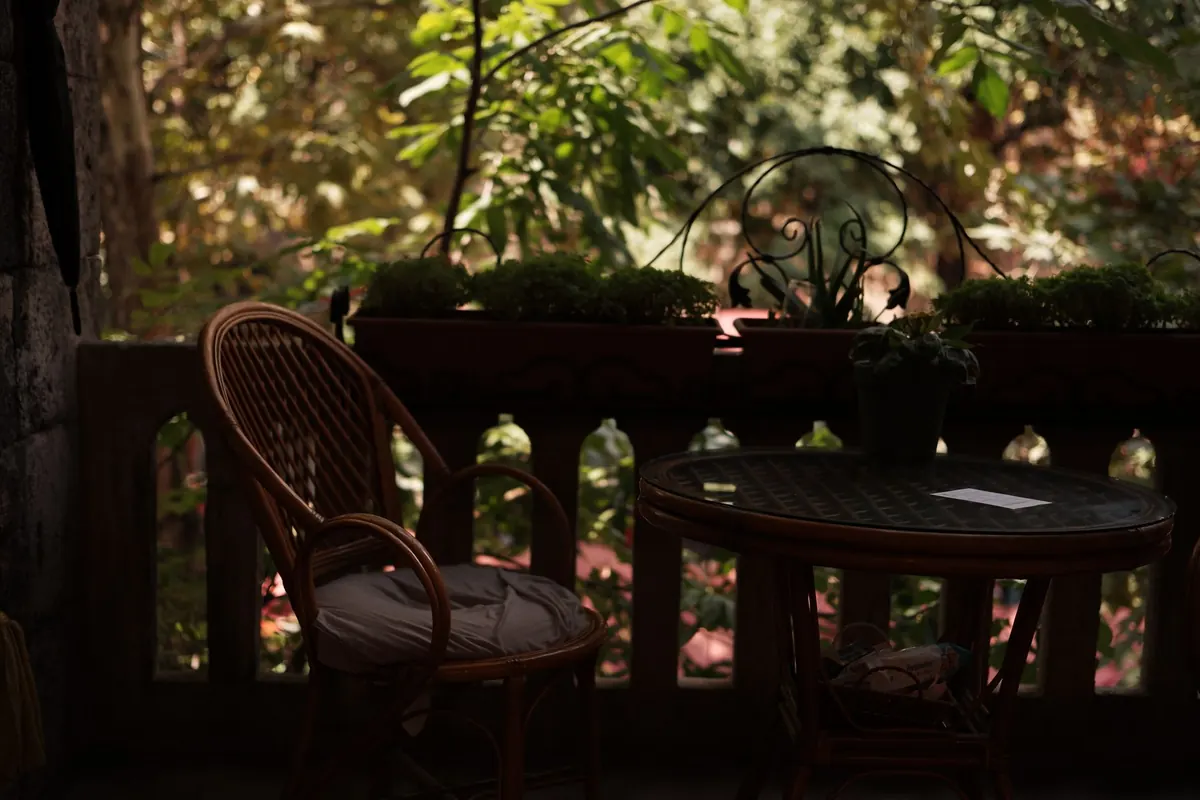
A north-facing terrace is not the problem it looks like. It is the garden that stays damp when everything else is scorched, where leaves keep their colour instead of frying at the edges, and where plants that sulk in full sun finally look like themselves. What it needs is the right plant list, and a slightly different set of habits around water, wind and dirt. Get those right and a shaded city terrace can easily outshine a sunny balcony.
What "shade" actually means on a north-facing terrace
Facing north means facing away from the midday sun. In the northern hemisphere that usually means no strong overhead light at all, with a sliver of early morning or late evening sun in midsummer if your terrace is open at the corners. That sounds bleak. In practice, most north-facing terraces receive bright indirect light, which is enough for ferns, hostas and several flowering plants.
The real distinction is between bright shade and deep shade. An open terrace on the fourth floor, with a pale wall or glass opposite it, catches a lot of bounced sky light. A narrow courtyard between two buildings, or a balcony sitting under someone else's, sees only a strip of sky and stays genuinely dark. Height matters too: upper floors get more sky, ground floors less.
Here is a test you can do in ten seconds. On a bright day, can you read a paperback without switching on a lamp? Does your hand cast a soft-edged shadow on the paving? That is bright shade, and almost anything on this list will grow. If you cannot tell where your hand ends, you are in deep shade: choose foliage plants and accept that flowers will be scarce.
Start with foliage: the reliable backbone
On a shaded terrace, leaves do the work that flowers do in a sunny border. Choose plants with strong shapes, variegation or colour, and you will have interest from March to November without chasing blooms.
- Hostas — ribbed, architectural leaves that look better out of the sun, which is exactly what a shaded terrace gives them. They need a big pot for their roots and protection from slugs; a copper tape ring around the rim helps.
- Heucheras — colour all year, from lime to deep plum. Pick lighter, amber and lime forms for darker corners; very dark leaves vanish against shadow.
- Ferns — Japanese painted fern (Athyrium niponicum) and hart's tongue fern are far tougher in pots than delicate maidenhair.
- Brunnera macrophylla — silver, heart-shaped leaves that seem to glow in low light, with forget-me-not flowers in spring.
- Epimedium — for dry shade under a bench or an overhang, with delicate spring flowers and bronze new growth.
- Sedges and grasses — Carex oshimensis 'Evergold' and Hakonechloa macra bring movement and a clean fountain shape.
- Fatsia japonica — big glossy evergreens for structure at a north wall. It shrugs off wind and neglect.
Add ivy trailing over a pot edge and pachysandra or ajuga in a wide trough if you want the floor to disappear. A Japanese maple in a large pot works in a sheltered corner, but windy rooftops shred its leaves, so keep it out of the gusts.
Flowers, scent and berries for a north wall
Shade does not rule out flowers; it just narrows the field. Hellebores are the winter stars, flowering from January when nothing else is doing anything, and their evergreen leaves keep a pot looking furnished. Astilbe gives feathery plumes in midsummer if the compost stays moist. Fuchsias, especially the hardy varieties, flower happily in a hanging pot that never sees direct sun.
For quick summer colour, treat wax begonias, impatiens, coleus and caladium as seasonal plants and replace them each spring. They are unfussy, cheap to replace and unbothered by low light.
Then there is scent. Sarcococca confusa produces small white flowers in midwinter with a fragrance that carries across a whole terrace, and it is one of the few plants that genuinely enjoys a dark corner. Skimmia japonica gives berries and aromatic leaves; plant a male and a female variety together if you want fruit. Camellias are beautiful but demanding in pots: ericaceous compost, rainwater, and a sheltered spot away from morning sun in frost.
Edibles that tolerate low light
Leaf crops are your friends here. Lettuce, rocket, mizuna, chard, spinach and wild strawberries all crop well without direct sun, and leafy herbs such as parsley, chives, mint and coriander bolt far more slowly in shade than they do in a hot, sunny spot.
Skip tomatoes, peppers, rosemary, thyme and oregano. They need sun, heat and sharp drainage, and in a shaded pot they stretch, sulk and attract pests.
Compost, watering and drainage
Use a loam-based compost
For anything long-term, choose a loam-based mix rather than a light peat or coir blend. It holds moisture and nutrients, and its weight keeps tall plants from toppling. Mix in roughly a quarter grit or perlite by volume. Acid-lovers such as camellia and skimmia need ericaceous compost instead.
Water less than you think
The most common way to kill a shade plant is kindness. Compost in a shaded pot dries slowly, and cold, wet roots rot. Check before you water: push a finger in two or three centimetres, or lift the pot to judge its weight.
If the top two centimetres are dry, water. If they are not, walk away.
Get the drainage right
One clear drainage hole, a layer of grit if the mix is heavy, and pot feet to lift the base off the paving. Empty saucers after heavy rain, particularly in winter, because standing water is what kills plants in January. A two-centimetre mulch of gravel or bark fines slows evaporation and keeps leaves clean when it rains.
Wind, winter and city grime
Wind dries leaves faster than sun does, and it topples light plastic pots. Choose heavier or square containers, group them so they shelter each other, and use a permeable screen rather than a solid one, which creates damaging eddies. Terracotta cracks in a freeze-thaw cycle, so glazed or composite pots are safer outdoors.
City air leaves a film of dust on leaves, and on a dark terrace that film costs you light. Wipe glossy leaves with a damp cloth or spray them down every few weeks. Rotate pots a quarter turn now and then so plants do not lean permanently towards the open side.
From autumn, stop feeding and cut back watering. Move tender fuchsias, begonias and coleus under cover, or accept them as annuals and start again in spring.
A simple first planting plan
- Fill one large pot with a hosta or a fatsia for height and structure.
- Add a medium pot of ferns or heuchera for texture and colour.
- Tuck in something trailing, like ivy, to soften the rim.
- Add a small pot of hellebore for winter interest, and a tray of lettuce in spring.
Three or four well-chosen pots will look better than twenty struggling ones. Fill them properly, water them sensibly, and give them a month or two to settle before you judge the result. Shade is a slower, calmer way to garden, and on a city terrace that is usually a good thing.
Photo: Beyzaa Yurtkuran / Pexels